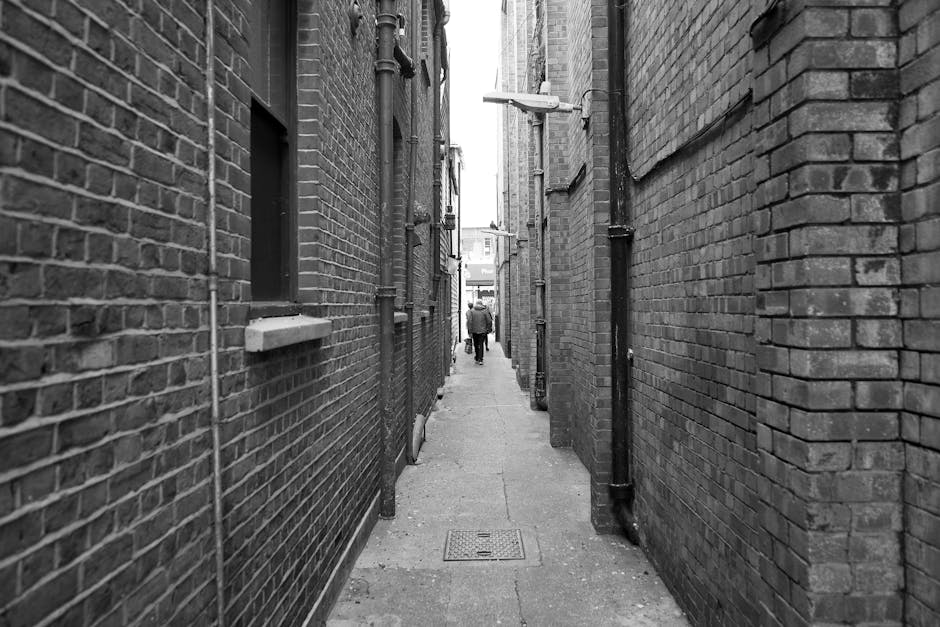
Twickenham man with van tips for narrow streets: a practical guide for awkward access and smoother moves
If you are trying to move in Twickenham, you will already know the headache: parked cars, tight corners, one-way stretches, and streets that seem designed for hatchbacks rather than vans. That is exactly where Twickenham man with van tips for narrow streets become useful. A well-planned van move can save time, protect your furniture, and stop a stressful day from turning into a minor road drama. In this guide, we'll walk through what matters, how it works, and the little practical habits that make a big difference when space is tight.
Truth be told, narrow-street moves are rarely difficult because of one big issue. It is usually five small ones: access, timing, parking, loading, turning, and communication. Get those right and everything feels easier. Miss them and even a short job can drag on. Let's fix that.
Why Twickenham man with van tips for narrow streets matters
Twickenham has plenty of streets where access is the real job, not the lifting. If a van cannot get close enough to the front door, every box, chair, and appliance has to be walked further than planned. That adds fatigue, more handling, and more chances for damage. Narrow streets also make it harder to keep the move discreet and efficient, especially if neighbours need to get past, deliveries are happening, or parking is already tight.
What people often underestimate is the chain reaction. If the van arrives five minutes late, the loading point may be gone. If the van is too large, it may need to stop further away. If you have not prepped the furniture properly, a tight hallway can become an awkward bottleneck. One small slip, then another, then another. You know how it goes.
These tips matter because a good move is not just about having a vehicle and a strong pair of hands. It is about fitting the vehicle to the street, the route to the property, and the timing to the local conditions. That is especially true for home moves, furniture pick-ups, and small business jobs where speed and access are everything. If you are comparing options, it can help to look at the wider support offered by pages such as man with van services, home moves, and furniture pick up.
How Twickenham man with van tips for narrow streets works
At its core, this kind of move is about solving access before the van arrives. The more you know about the property, the street, and the load, the more accurately you can plan the vehicle size, parking position, loading sequence, and crew requirements. That is the working model.
In a narrow street, a man with van service usually works best when the move is broken into stages:
- Access check: Is there room for the van to stop safely without blocking traffic?
- Vehicle selection: Would a smaller van, medium van, or a more compact removal van be better than something larger?
- Load planning: Which items should go in first so the whole job stays balanced and efficient?
- Walk distance control: How far will items need to be carried if the van cannot park directly outside?
- Timing: Can the job be done at a quieter time when the road is less congested?
That last point matters more than people think. A Twickenham side street that feels manageable at 10 a.m. can feel completely different at school-run time or in the middle of a delivery window. Small timing changes can save a surprising amount of hassle.
In practical terms, this means your mover should not just turn up and hope for the best. They should arrive with a plan, a sensible vehicle choice, and enough flexibility to adapt if a parked car, skip, or turning circle changes the situation on the day. For businesses, the same logic applies to office removals and commercial moves, where access issues can quickly affect timing and staff disruption.
Key benefits and practical advantages
There are real upsides to planning a narrow-street move properly, and they are not just about convenience. A smoother access plan can reduce physical strain, lower the risk of scratches and knocks, and keep the whole day more predictable. That calm, steady rhythm is worth a lot.
- Less walking distance: A well-positioned van reduces the number of trips between the property and the vehicle.
- Lower damage risk: Fewer awkward turns and less carrying through tight gaps means less chance of scuffed walls or dented furniture.
- Better time control: When loading is efficient, you spend less time waiting around or shuffling items back and forth.
- Reduced stress: Clear planning makes the move feel manageable instead of chaotic.
- More suitable for local streets: Compact van moves are often better matched to Twickenham's tighter residential roads than larger vehicles.
There is also a practical financial benefit, even if it is indirect. A job that runs smoothly is less likely to need extra time, repeated handling, or last-minute changes. Nobody enjoys paying for avoidable delays, and nobody enjoys paying for redoing work either. Fair enough.
Expert summary: For narrow streets, the best man with van setup is usually the one that reduces handling, fits the road, and keeps the load plan simple. Size matters, but access matters more.
Who this is for and when it makes sense
This approach makes sense for anyone moving in or around Twickenham where space is limited. The most common examples are flat moves, small house moves, furniture deliveries, and partial clear-outs. It is also useful for renters, landlords, students, local families, and anyone moving a few bulky pieces without needing a full-scale removal lorry.
You will usually benefit most if:
- your street is narrow or heavily parked
- you live on a terraced road or in a mews-style layout
- the property has awkward access, such as a tight doorway or steep steps
- you only need to move a moderate amount of furniture
- you want a flexible, local service rather than a large removal operation
It can also be a sensible middle ground if you are not sure whether to book a bigger removal firm. For many people, a van-based move feels more practical than a full house move package, but more capable than doing it all yourself. If you are still comparing choices, pages like man and van, man and van removals, and removal services may help you judge the level of support you actually need.
And sometimes the answer is simply this: if your furniture can get out of the front door and the van can stop nearby, a man with van setup is probably enough. No drama, no giant truck, no unnecessary expense. Simple is good.
Step-by-step guidance
Here is a practical way to plan a narrow-street van move in Twickenham without making it harder than it needs to be.
- Measure the awkward bits first. Check doorway widths, hallway turns, stair landings, and the width of the street where the van may need to stop. It sounds obvious, but it is amazing how often this part gets guessed rather than checked.
- List the large items. Sofas, wardrobes, beds, washing machines, and dining tables usually decide the plan. If the biggest item fits, the rest is much easier.
- Choose the right vehicle size. A smaller or medium van may be better than a larger one if turning space is limited. Bigger is not always smarter in Twickenham's tighter roads.
- Prepare parking and loading access. If legal parking near the property is scarce, work out where the van can stop and how far the carry distance becomes.
- Pack for speed. Use sturdy boxes, label them clearly, and keep essential items separate so they do not disappear in the shuffle.
- Protect the property. Use blankets, corner protection, and care around bannisters and paintwork, especially in older houses where narrow gaps are common.
- Load in a deliberate order. Heavy items first, then stack lighter boxes securely. Leave items you may need first near the rear or top for easy access.
- Walk the route before lifting. A quick look from front door to van can reveal a hidden pinch point, awkward kerb, or low branch. It takes seconds. Worth it.
- Communicate clearly. Tell the mover about stairs, parking restrictions, fragile items, and any "this one is awkward" pieces before loading starts.
If you are moving a full home, adding packing support can take pressure off the day. A service like packing and unpacking services can be especially useful when the street access already makes things a bit fiddly.
Expert tips for better results
These are the sorts of small decisions that make a surprisingly big difference on narrow streets. They are not flashy, but they work.
- Book earlier in the day if possible. Streets are usually easier before the day fills up with parked cars, deliveries, and school traffic.
- Keep the load modular. Smaller, well-packed boxes are easier to manage than a few overstuffed ones that keep slipping open.
- Use visual markers for the drop-off point. If the van must stop a short distance away, agree exactly where items should be placed.
- Separate fragile items. Do not bury mirrors, lamps, or glassware under heavier belongings because the van is tight on space.
- Check the route, not just the address. One junction or pinch point can matter more than the final street itself.
- Have a backup plan for parking. If the ideal spot is taken, know where the next-best stopping point is. Saves time, saves swearing. A little, anyway.
One thing people often forget is how much easier the day becomes when there is a clear handover point. Instead of leaving boxes scattered around the pavement or hall, use one visible staging area. It keeps the move tidy and makes the job feel strangely more under control.
If the move includes a lot of furniture and you are not sure whether collection and disposal are part of the plan, it may help to look at removals and man with van removal options so expectations are clear before the day begins.
Common mistakes to avoid
Narrow streets do not forgive sloppy planning. The good news is that most problems are easy to avoid once you know what to look for.
- Booking the wrong vehicle size. A van that is too large can create more trouble than it solves.
- Assuming parking will "work itself out". It often does not. Especially not in a busy residential lane.
- Not checking internal access. A narrow staircase can be a bigger issue than the street itself.
- Overpacking boxes. Heavy, overfilled boxes slow the job and are harder to carry safely.
- Ignoring fragile or awkward items. Lamps, mirrors, plants, and large screens need a bit of thought.
- Leaving the route unplanned. If the van cannot stop outside, carrying everything becomes a lot more tiring.
- Forgetting neighbours and shared access. Blocking a shared drive or doorway can create avoidable friction.
Another common one? People think they will "just make it fit". That approach is fine with socks. Less fine with a wardrobe. To be fair, everyone has said it once.
The safest way to avoid mistakes is to treat the move as an access problem first and a transport job second. That little shift in mindset is the difference between a smooth morning and a messy afternoon.
Tools, resources and recommendations
You do not need a huge kit for a narrow-street move, but a few basics go a long way. These are the items and preparations that tend to pay off most often.
- Measuring tape: Useful for doorways, sofas, wardrobes, and the turning space in hallways.
- Furniture blankets and wraps: Help protect furniture edges and walls during tight carries.
- Sturdy boxes: Better than weak, overfilled cartons that sag halfway down the stairs.
- Labels and marker pens: Keep boxes organised and reduce time spent hunting for essentials.
- Gloves with grip: Helpful for carrying heavier items in damp weather or on textured steps.
- Floor protection: Especially useful when moving across wooden floors, carpets, or freshly painted areas.
On the service side, it helps to compare your needs with the kind of move you are planning. If you are only relocating a few items, a focused service such as removal van may be enough. If you need a broader set of tasks handled, movers or man with a van support may be a better fit. For larger home projects, the more complete route may be house movers or house removals.
If you are trying to plan costs, review the site's pricing and quotes page so you understand what information helps generate a more accurate estimate. It is usually better to be precise up front than to tidy up details on the day.
Law, compliance, standards and best practice
For most household moves, the key compliance issues are practical rather than complex: safe loading, lawful parking, road safety, and care for people and property. In London, street conditions, parking controls, and access restrictions can affect the plan, so a sensible mover will usually work within the local environment rather than trying to force it.
Best practice in this context means a few simple things. Vehicles should be roadworthy and appropriately insured, items should be secured correctly, and loading should not create unnecessary risk to the crew, the public, or nearby property. If a move needs a short stop in a tight road, the priority is to do it safely and lawfully, even if that means walking a little further.
It is also wise to pay attention to company policies and terms before booking. Pages such as insurance and safety, health and safety policy, and terms and conditions help set expectations around responsibility, handling, and service scope. That sort of transparency matters. A lot, actually.
For people who care about environmental practice, it can also be reassuring to check a provider's approach to recycling and sustainability, especially if the move includes unwanted furniture or mixed items that need sorting carefully. A tidy move is good; a sensible one is better.
Options, methods, or comparison table
Not every Twickenham move needs the same approach. The best method depends on access, volume, and how much help you want on the day. Here is a simple comparison.
| Option | Best for | Strengths | Possible drawbacks |
|---|---|---|---|
| Small man with van | Few items, tight streets, short local moves | Easier parking, more flexibility, less disruption | Limited capacity for larger loads |
| Medium removal van | Moderate household loads | Good balance of space and access | May still be tight on very narrow roads |
| Full house removals | Whole-home relocations | More support, better for larger inventory | Can be less convenient where access is restricted |
| Office removals or commercial moves | Business relocations and multi-item jobs | Structured approach, better for organised transfer | Needs stronger planning around timing and access |
In plain English: if the street is awkward, smaller and smarter often beats bigger and braver. There is a reason so many local moves work better with compact vehicles. The road tells you the answer, really.
Case study or real-world example
Here is a typical kind of job, stripped of any fluff. A couple moving from a Twickenham terrace had a sofa, a double bed, eight boxes, a washing machine, and a dining table. The street was parked up on one side and only had a narrow stopping area near the front door. Not ideal. Not terrible either.
Instead of sending a larger vehicle and hoping for the best, the move was planned with a smaller van and a careful load sequence. The team checked the carrying route first, protected the doorway edges, and set a clear drop-off plan at the new property. The result was a short, controlled move with fewer trips and no wasted manoeuvring. The street stayed passable, the load stayed secure, and the day stayed calm enough for everyone to keep a sense of humour. Which, on moving day, is saying something.
The interesting part was not that the move was complicated. It was that the planning removed the unnecessary complications. That is often the whole game with narrow streets. Remove the friction and the rest becomes ordinary.
Practical checklist
Use this checklist before the van arrives. A quick five-minute review can prevent a lot of backtracking later.
- Measure the biggest furniture pieces and the tightest doorways
- Confirm whether the van can stop near the property safely
- Decide if a smaller van is more suitable than a larger one
- Pack boxes firmly and label fragile items clearly
- Separate essential items you will need first
- Protect walls, bannisters, and furniture edges
- Check stairs, lifts, and awkward turns inside the property
- Agree a drop-off point if the van cannot park directly outside
- Tell the mover about any access issues before the day starts
- Review service details, insurance, and terms in advance
If you want a fuller home-moving option, you may also find home moves useful for planning the wider process. For smaller one-off jobs, removals near me can help you think through the local service angle.
Conclusion
Moving through Twickenham's narrow streets does not need to be a fight. With the right vehicle size, good timing, careful packing, and a clear plan for access, a man with van move can be neat, efficient, and surprisingly low-stress. The trick is to think about the street as part of the move, not just the destination.
That is the real lesson here: the best narrow-street move is the one that feels boring in all the right ways. No panic, no last-minute panic, no awkward reshuffling on the kerb. Just a steady, sensible job done properly. And honestly, that's the nicest kind of move there is.
Get a free quote today and see how much you can save.
Frequently Asked Questions
What is the best van size for narrow streets in Twickenham?
The best size is usually the smallest van that still fits your load comfortably. On narrow streets, easier parking and simpler manoeuvring often matter more than maximum space.
How do I know if my street is too narrow for a van?
If parking is heavily restricted, corners are tight, or cars already struggle to pass each other, you should assume access needs careful planning. A quick look at the road, turning space, and stopping points usually tells you a lot.
Should I book a smaller van even if it means more trips?
Often, yes. A smaller van can save time if the street is tight and the larger one would need to stop far away. Fewer awkward manoeuvres can outweigh the extra trip or two.
How far in advance should I plan a narrow-street move?
As early as possible, especially if parking is limited. Even a simple move benefits from a little planning, and a bit more notice helps the vehicle choice and timing fit the street properly.
Can a man with van service handle stairs and awkward access?
Usually yes, but only if those details are shared in advance. Stairs, steep paths, and tight hallways can all change the time needed and the type of handling required.
What should I tell the mover before moving day?
Tell them about parking, narrow entrances, stairs, bulky furniture, fragile items, and any access restrictions. The more honest and specific you are, the smoother the day tends to be.
Is a man with van cheaper than a full removals team?
It can be, especially for smaller loads or short local moves. But the real value depends on how much you need moved and how difficult the access is. Cheaper is not always better if the job becomes messy.
What items are hardest to move down narrow streets?
Large sofas, wardrobes, mattresses, washing machines, and glass items usually need the most care. They are bulky, awkward to turn, and more likely to brush walls if the route is tight.
How can I protect walls and furniture during a tight move?
Use furniture blankets, wraps, and clear carrying routes. It also helps to remove loose parts, secure doors, and keep a second person watching corners and pinch points.
Do I need special permission to park for a move in Twickenham?
That depends on the street and local parking rules. It is best to check the practical parking situation before moving day and make sure the plan stays lawful and safe.
What if the van cannot park right outside the property?
Then you need a clear fallback plan. Agree the nearest safe stopping point, estimate the carry distance, and make sure boxes and furniture are organised so the walk stays efficient.
When should I choose a full removals service instead?
If you are moving a whole house, lots of furniture, or need more hands and structure, a fuller removals service may suit you better than a simple van job. It really comes down to volume, access, and how much support you want.
Small streets can be tricky, but they are not impossible. With the right plan, even a narrow Twickenham road can feel manageable in the cool light of morning, when the van is ready and the first box is already on its way.